
Loading...
Serving Visalia, CA and surrounding areas. (559) 557-4911
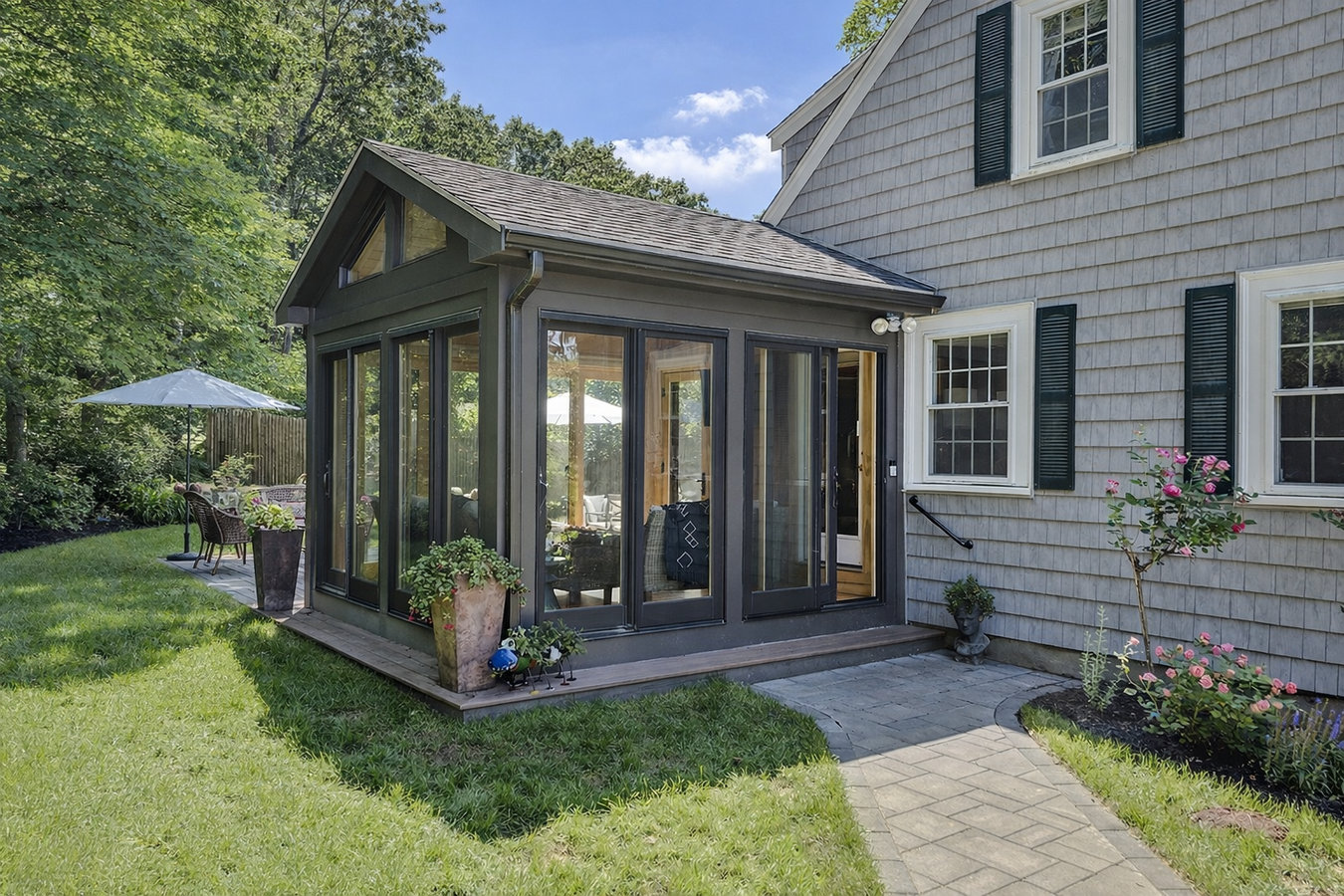
VSP Visalia Sunrooms & Patios designs and builds four-season sunrooms, patio enclosures, and screen rooms for Exeter homeowners in Tulare County - from the craftsman bungalows near the downtown mural district to the ranch homes on larger lots at the edge of town near the citrus orchards. We have been serving Exeter and the surrounding San Joaquin Valley since 2023, and every project is permitted through the City of Exeter and built to handle the intense summer heat, tule fog winters, and occasional frost nights that define the Tulare County climate.
Exeter sits at the edge of the San Joaquin Valley, where summers push past 100 degrees and winter tule fog can settle in for weeks at a time. A room that only works in spring and fall is not worth much here. Our four-season sunrooms are fully insulated, glazed with low-SHGC glass, and equipped with dedicated climate control - so the room stays comfortable whether it is August or January. Many Exeter homeowners choose a four-season room specifically because they want a real living space they can use every day of the year, not a seasonal porch.
A large share of Exeter homes - particularly those built in the 1950s and 1960s - have a simple covered concrete patio in the back that has never been enclosed. Enclosing that existing slab is one of the most cost-effective ways to add a finished room to a modest Tulare County home without new foundation work. We work with your existing structure wherever the conditions allow, keeping the scope tight and the cost predictable.
Exeter sits close to working citrus orchards and agricultural land, and the insects, fine dust, and harvest-season particulates that come with that proximity make open outdoor living uncomfortable for much of the spring and fall. A screened enclosure filters out the pests and field debris while keeping air moving through the space - extending your outdoor living season from early spring through late autumn without the cost of a fully glazed enclosure.
Most Exeter homes are smaller than today's new construction - craftsman bungalows and postwar ranch houses that were built for a different generation's space needs. A sunroom addition extends the home outward through a glass-walled structure that connects indoor and outdoor space, adding a bright transitional room without the expense and disruption of a full stick-frame room addition with interior finish work throughout.
Converting an existing covered patio into a proper sunroom is a particularly practical choice for Exeter homes on larger lots at the edge of town. Many of these properties already have a roofed patio or simple cover structure that just needs walls, glazing, and insulation to become a fully usable room. Starting with an existing structure rather than building from the ground up shortens the timeline and keeps costs in a range that makes sense for the home's value.
For Exeter homeowners who primarily want a comfortable space from February through November, a three-season sunroom hits a lower price point than a fully insulated four-season room while still providing year-round use through most of the mild Tulare County winter. Screened or vent-opening panels keep the space open on pleasant days and closed against wind and cold on winter evenings. It is a good fit for homeowners who want to extend outdoor living without committing to full climate control.
Exeter is a small city of about 10,000 people in Tulare County, and a substantial portion of its housing stock was built before 1980. Craftsman bungalows from the early 1900s sit within a few blocks of postwar ranch homes from the 1950s and 1960s, and both types present distinct construction characteristics that affect how a sunroom or patio enclosure is designed and attached. Older Exeter homes may have original wood siding or aging stucco that requires assessment before new framing is attached to the exterior wall. Properties on the east side of town, near the orchards, often have larger lots with detached outbuildings and gravel areas that are not typical of in-town residential construction. A sunroom contractor familiar with Exeter knows what to check before drawing a design.
The climate in this part of Tulare County creates specific demands for any enclosed outdoor structure. Summer temperatures regularly exceed 100 degrees from June through September - the same sustained heat that cracks caulk, degrades roofing materials, and makes a glass-walled room without proper insulation genuinely dangerous to occupy. Tule fog settles over Exeter every winter, producing persistent moisture on roofs and exterior surfaces for days at a time from December through February. On some nights in that window, temperatures drop below freezing - mild by most standards, but enough to damage improperly winterized outdoor plumbing or crack an unprotected concrete slab. Proximity to Sequoia National Park also means residents are familiar with wildfire smoke during late summer, which affects air quality and makes well-sealed, climate-controlled interior spaces more valuable than they might be in less smoke-affected parts of the Valley.
Our crew works throughout Exeter regularly, and we understand the local conditions that affect sunroom contractor work here. We pull permits through the City of Exeter building department on every project and manage all required inspections from application through final close-out. Homeowners do not need to track permit status or coordinate with the city directly - we handle that process from start to finish.
Exeter is located in southern Tulare County, roughly 35 miles southeast of Fresno and about 20 miles east of Visalia. The city is best known as the self-proclaimed Orange Capital of the World, a nod to the navel orange groves that surround the town and built its agricultural economy. Downtown Exeter is recognized throughout the region for its collection of outdoor murals on commercial buildings - local history and agricultural life painted large on walls along the main streets. Homes within a few blocks of downtown tend to be older and smaller, many of them original craftsman bungalows or early postwar cottages. Moving outward toward the orchards on the east and north edges of town, properties get larger and the building stock shifts to ranch-style homes from the 1960s through 1980s on bigger lots.
We also serve homeowners throughout Tulare County. If you are in Lindsay to the south or in Visalia to the west, we cover those areas as part of our regular service territory. Call us or submit an estimate request and we will get back to you within one business day.
Call us at (559) 557-4911 or use the estimate request form on this page. Every new Exeter inquiry gets a response within one business day - no multi-week waits to hear whether we can take the project.
We visit your Exeter home to measure the space, evaluate the existing slab and wall conditions, and discuss your goals for the room. You receive a detailed written estimate at the end of that visit - all the specifics, no vague ranges.
After you approve the estimate, we file the building permit with the City of Exeter and schedule construction once approval comes through - typically two to three weeks after submission. We coordinate access around your schedule throughout the project.
When the room is complete, we walk through it with you and resolve any final items before we call it done. We manage the final city inspection and permit close-out - the project is not finished until every sign-off is in hand.
We serve Exeter and Tulare County year-round. Call us or request an estimate online and we will respond within one business day.
(559) 557-4911Exeter is a small city of about 10,000 residents in southern Tulare County, surrounded by navel orange groves and agricultural land. The city has held the title of Orange Capital of the World for generations - the citrus industry built the local economy and still shapes the landscape outside of town. Exeter is also known throughout the Central Valley for its downtown mural district, a collection of large outdoor murals depicting local agricultural history painted on commercial buildings along the main streets. The community is close-knit, and most residents own their homes. Exeter sits roughly 35 miles southeast of Fresno and about 15 miles from the entrance to Sequoia National Park - a point of local pride and a reminder that the Sierra Nevada foothills begin just east of town.
The housing stock in Exeter spans a wide range of eras. The blocks nearest downtown include craftsman bungalows built in the early 1900s and small postwar homes from the 1940s and 1950s. Moving away from the downtown core, single-story ranch houses from the 1960s through 1980s make up the majority of the residential stock. Properties on the outskirts of town, particularly to the east toward the orchards, sit on larger lots with detached garages or outbuildings that reflect Exeter's agricultural roots. Homes across all of these neighborhoods share the same Central Valley climate challenges - extreme summer heat, tule fog winters, and occasional frost nights that test every outdoor material. Nearby communities we also serve include Tulare to the southwest and Dinuba to the northwest.
Convert your existing patio into a fully enclosed sunroom space.
Learn MoreFloor-to-ceiling glass solariums that maximize natural light indoors.
Learn MoreWe serve Exeter, Tulare County, and the surrounding San Joaquin Valley. Request your free estimate today and we will get back to you within one business day.